10 Easy Eco-Friendly Upgrades for a Greener Home

“Home” is more than four walls, it is our place for rest, replenishment, and living our lives. But have you considered the impact of your home on the environment? From the power we use to charge our devices at home to the cleaning products we use under our sink, our seemingly small daily choices contribute to our carbon footprint. The good news is changing to a greener home doesn’t involve any major renovations or high cost. With a few simple, eco-friendly upgrades, you can lower energy usage, reduce waste, and even reduce your monthly bills while making your home healthier and more sustainable.
In this article, we’ll look at 10 easy eco-friendly upgrades for a greener home—simple, accessible and meaningful steps anyone can take for a greener home (whether in a large house or a small apartment).
- Switch to Energy-Efficient Lighting
The easiest and most affordable changes you can start making today involve replacing your lighting. Standard incandescent lighting has a much shorter life span and uses far more energy than modern versions. LED lighting, for instance, can use 80% less energy, and last for 25 times longer on average.
Smart lighting systems are great because you can schedule your lights to be on when they need to be, or turn them off remotely to avoid unnecessary use. And don’t forget to maximize natural light by moving furniture to allow you to use any light from windows. Not only does upgrading your home lighting lower your monthly energy bill, it shrinks the carbon footprint of your home.
- Upgrade to Smart Thermostats
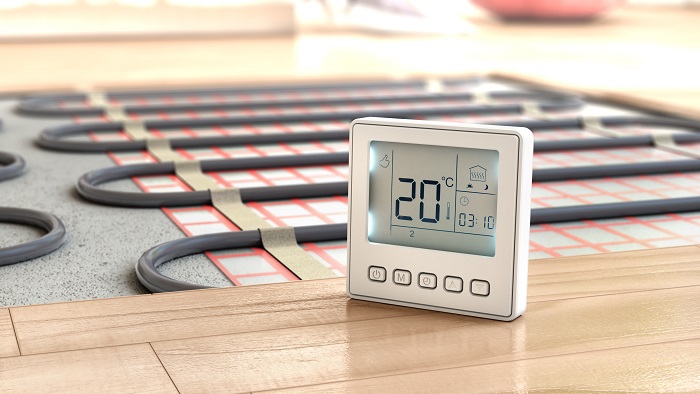
Most household energy consumption is attributed to heating and cooling. The quickest way to make an impact is with a smart thermostat that learns tendencies for each day of the week, each time period (summer, winter, cooling, heating), and then takes care of adjusting temperature based on your usage habits.
Smart thermostats automatically reduce overnight heating, or while you are away on holiday.
Some smart thermostats are more useful than others; some give you a completely detailed report for the energy usage of your household, so that you can make efficient and sustainable decisions.
Any smart thermostat that can be controlled remotely, means you won’t use energy when you are at work or other places away from home. If you can manage to reduce the way you overuse energy, you will save money and reduce greenhouse gas emissions created by energy production.

- Install Low-Flow Fixtures
Water is a valuable resource, and we are constantly wasting water without realizing it. Low-flow showerheads and faucets and toilets help reduce water usage without sacrificing comfort or functionality.
For example,
- A low-flow showerhead can save a family of four approximately 2,700 gallons of water each year.
- Dual-flush toilets allow the consumer to choose how much water is used in the flush.
- Aerators on faucets provide less water usage while maintaining pressure. While this may not be the most green upgrade, it helps save water and lower consumption bills.
- Use Eco-Friendly Cleaning Products
Most cleaning products consist of harsh chemicals that not only end up in the water system, but also contribute to indoor air pollution. Transitioning to green cleaning options will help to make your home healthier and greener.
- Find products that are biodegradable and non-toxic, and that do not contain phosphates and chlorine.
- DIY products such as vinegar and baking soda usually work just as well and take very little money to make.
- Using reusable cleaning cloths to reduce reliance on disposable wipes or paper towels is also a great option.
Again, this upgrade can aid both your health and the environment.
- Reduce Single-Use Plastics
Plastic pollution is one of the greatest environmental challenges we face today. By implementing small changes, you can easily reduce single-use plastics in your home.
- Invest in reusable water bottles, food containers, and shopping bags.
- Use beeswax wraps or silicone covers as opposed to plastic wrap.
- Buy pantry staples in bulk to minimize packaging.
These changes create a more sustainable home and cultivate eco-friendly habits.
- Improve Insulation and Seal Leaks
Good insulation is a sustainable investment, paying dividends for many years. Proper insulation means less energy used for heating and cooling your home.
- Seal gaps around windows, doors, and vents to stop energy loss.
- Use weather stripping or a draft stopper for a quick and inexpensive fix.
- If you live in an area with extreme weather, consider insulating your attic or walls.
This upgrade will not just add to efficiency; it will keep your home more comfortable (warm/cool) all year around.

- Choose Sustainable Furniture and Décor
A lot of us often overlook the environmental implications of furniture; however, the material and process of manufacturing is important. It is preferable to choose furniture that was made from reclaimed wood, bamboo, and recycled materials.
- You can also support local artisans or even second hand stores to give the furniture a second life.
- Use natural fabrics such as organic cotton, hemp, or linen for upholstery and décor.
By choosing sustainable furniture, you reduce the overall demand for virgin resources and at the same time, have made a unique statement within your home.
- Start Composting at Home
A large amount of what you throw in the trash does not belong there, mostly food waste, which degrades in a landfill producing methane gas. Composting is a simple way to limit the amount of waste in the landfill or lessen your environmental impact.
- Composting only needs a small amount of space; a kitchen composter can sit on your countertop!
- Compost adds nutrients to your garden soil and reduces the need for chemical fertilizers.
- If you do not have outdoor space, you can often find community composting programs through your city.
This is a great upgrade because you are closing the loop on your waste by making it into a resource.

- Adopt Energy-Efficient Appliances
Replacing your appliances can be an expensive investment, but one of the most effective green upgrades. Look for the ENERGY STAR® label. Appliances with this rating adhere to strict energy efficiency regulations. Replace old refrigerators, washing machines, or dishwashers that require much more energy.
You could think about switching to induction cooktops, also less energy use than their gas or electric stove counterparts. Energy efficient appliances will cost you money upfront, but they can lead to significant savings over time and reduce these emissions per household.
- Incorporate Indoor Plants
Indoor plants provide more than just beauty, they are natural air purifiers and mood boosters. Plants like snake plants/sansevieria, spider plants, and peace lilies can filter toxins out of the air you breathe. Growing herbs indoors also decreases the waste from packaging from store-bought herbs! You can even consider vertical gardens or a plant wall, to get the benefits while not taking up space in your living area! Each of these eco-friendly ideas adds freshness, improves air quality, and makes your home feel good!
Bonus Tip: Embrace Renewable Energy (If Possible)
Investing in solar panels or community solar programs can be game changing if you can swing with your budget. This is not realistic for everyone, but renewable energy sources will offset the reliance on fossil fuels and there are often government incentives.
Conclusion:
Creating a greener home does not have to happen overnight or mean you change
everything overnight. It’s about smaller actions or upgrades that make a difference.
Whether changes are swapping a light bulb, installing low-flow fixtures, composting, or
selecting sustainable furniture, every move you make in communicating with green is
moving your home in a greener way and contributing to a more sustainable lifestyle.
These changes not only contribute to the health of the environment but also to your
quality of life. These eco-friendly changes can save you money, provide a healthier
living space, and encourage others around you to develop eco-friendly habits.
A greener home starts with simple choices today. By taking the 10 simple eco-friendly
upgrades, you are creating a better living space for yourself, but also a healthier planet
for future generations.