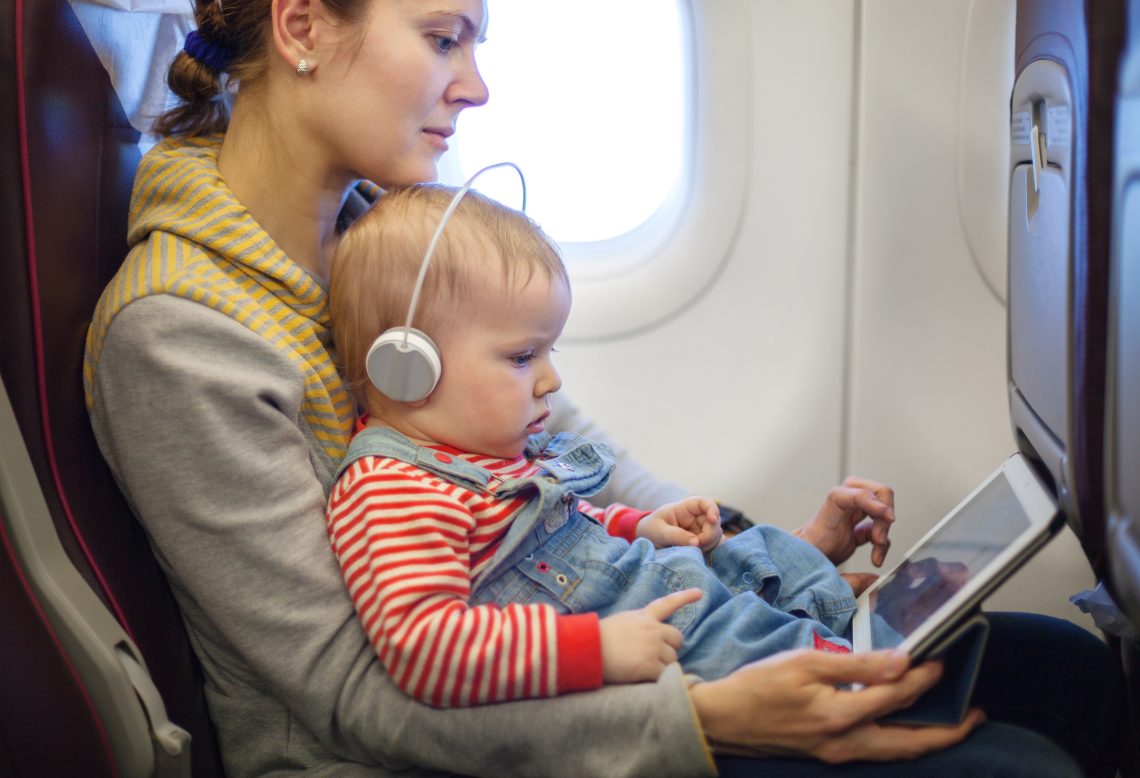
Flying with a baby is a milestone many parents approach with a mix of excitement and anxiety, particularly when it comes to the prospect of tears during take-off and landing.
This inspired Alpine Hearing Protection, the #1 Pediatrician Recommended for Muffy Baby Comfort & Muffy Kids for protection, quality, safety, comfort and design in the United States, to explore why babies and children experience more ear discomfort when flying compared to adults.
They partnered with Clinical Scientist in Audiology, Professor Helen Cullington, and Audiologist, Mr Didi Lampert, to explain the science behind why babies and small children are more affected by ear pressure, and some simple steps parents can take to make take off and landing more comfortable for their little ones.
What happens during take off and landing?
During take off, the aircraft climbs to a higher altitude where the outside air pressure is much lower, and whilst the cabin is pressurised, the pressure inside also gradually decreases, creating a temporary pressure difference between the middle ear and the cabin until the ears ‘pop’ to equalise it.
During landing, the opposite happens. The cabin pressure gradually increases as the aircraft descends. If the pressure in the middle ear cannot equalise quickly enough, it can stretch the eardrum and cause discomfort or pain.
What is the science behind it?
Clinical Scientist and Professor of Cochlear Implants at University of Southampton, Professor Helen Cullington explains: “There is a tube connecting the middle ear with the nose and mouth, this is called the Eustachian tube. When it opens it balances pressure on each side of the eardrum. This happens easily for most people by swallowing or yawning, although sometimes a cold or congestion or infection can make this harder.
When flying on a plane, the cabin pressure is set to be lower than that on the ground. The Eustachian tube needs to open during take off and landing to make sure there is not a different pressure in the middle ear than in the plane cabin, this feels uncomfortable.
Babies and young children have a shorter Eustachian tube which is positioned differently and is not so good at opening frequently. This means they are more likely to get ear pain on take off and landing than adults – it is usually worse on landing than take off.”
Why do babies experience more ear discomfort when flying?
Audiologist, Mr Didi Lampert, explains why the changes in pressure can affect babies differently from adults: “Babies are more likely to experience ear discomfort because they cannot intentionally yawn, swallow on command or perform manoeuvres that help equalise ear pressure. They are also more prone to Eustachian tube dysfunction, where pressure in the middle ear does not equalise properly, causing ear pain and a feeling of fullness.”
How can parents help reduce ear discomfort?
Mr Didi Lampert continues: “To tackle it with older children and adults; yawning, swallowing, sip water or chewing gum during take-off and landing can help open the Eustachian tubes, allowing air to pass into the middle ear and equalise ear pressure.
As babies and small children cannot intentionally equalise ear pressure, you want to encourage children to drink, suck on a bottle or straw, or eat a snack during take-off and landing to promote swallowing and help equalise ear pressure. For babies feeding or using a dummy can encourage swallowing and reduce ear discomfort. In addition, plan feeding times by feeding your baby during take-off and landing, as repeated swallowing helps keep their ears open and may reduce discomfort from pressure changes.”
And it’s not just ear pressure…
Sophie Thomas, Product Expert for Baby & Children’s Hearing Protection of Alpine Hearing Protection, weighs in on contributing factors that lead to distressed children at the airport: “There is also the wider travel environment element that also contributes to distressed children whilst travelling. Busy airport terminals, boarding announcements, crowds and unfamiliar settings that may lead to sensory overstimulation. Combined with disrupted routines and new surroundings, these factors can make flying a particularly overwhelming experience for both babies and parents.
Air travel exposes babies to a range of unfamiliar sounds and while every baby responds differently to travelling abroad, creating a calm and familiar environment can make a real difference. Exposure to excessive sounds are all a normal part of travelling, but they can contribute to sensory overstimulation and make it harder for some infants to relax or sleep.
Parents can help create a calmer travel environment by keeping familiar comfort items close, sticking to normal nap routines where possible and choosing quieter areas of the airport when available. If traveling in particularly noisy environments, appropriately designed hearing protection, such as Muffy Baby Comfort ear defenders which are specially designed to reduce exposure to loud environmental noise, can help babies focus and feel more comfortable”.