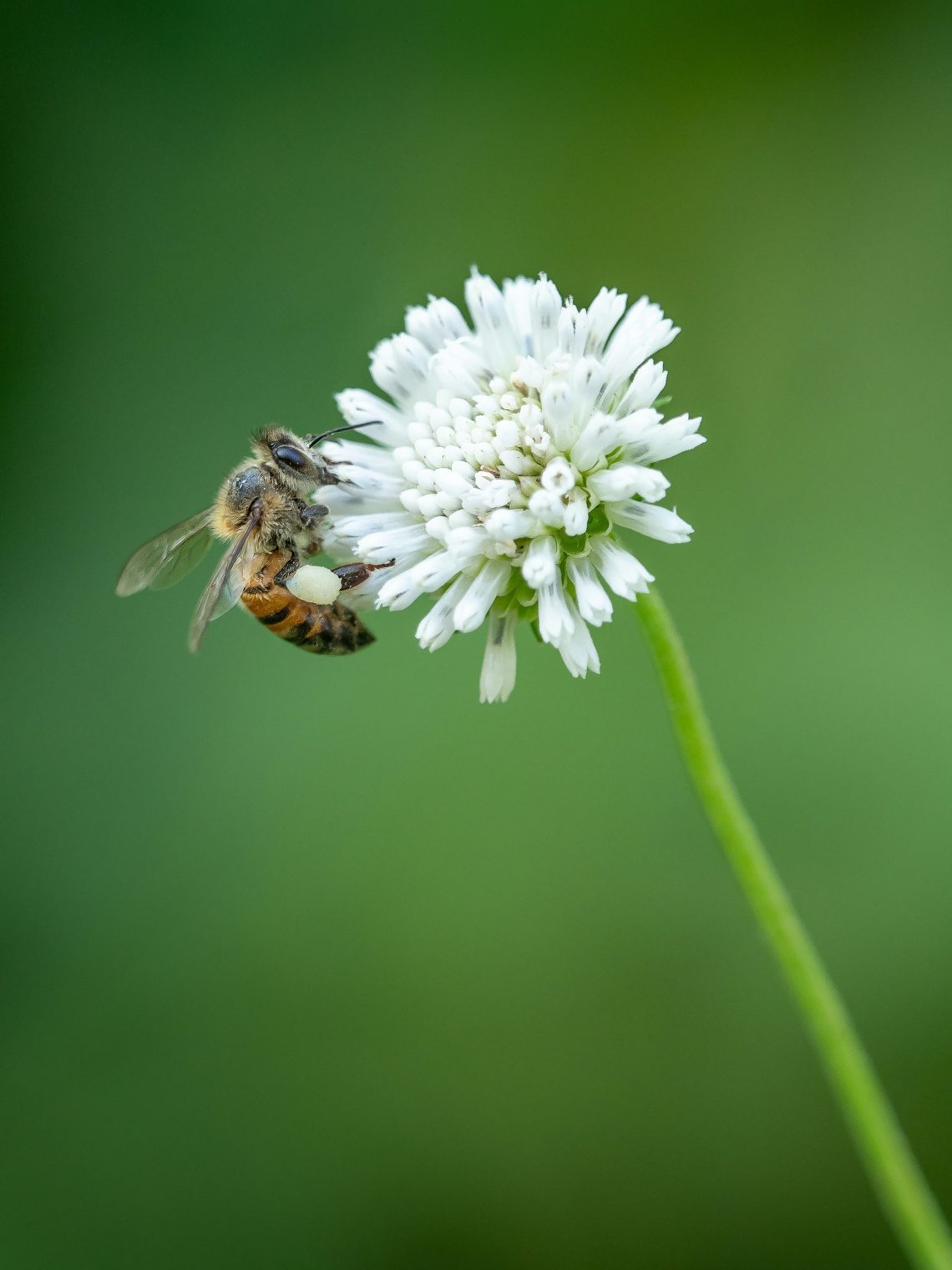
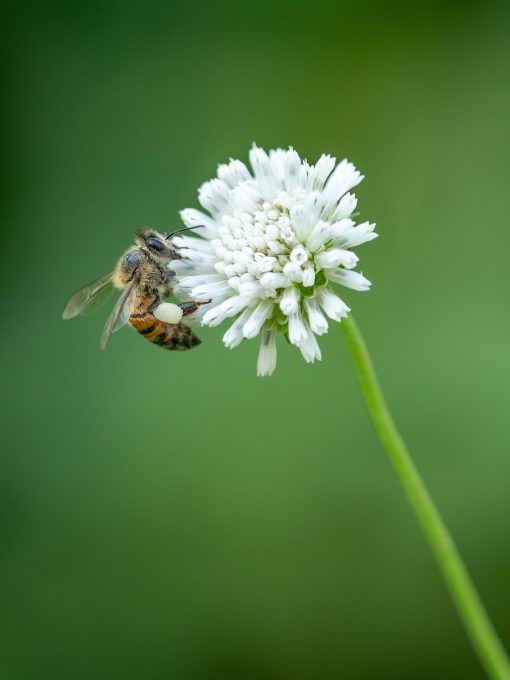
Every year on May 20, people around the world celebrate World Honey Bee Day — a day dedicated to honoring one of nature’s hardest workers. Honey bees are often praised for producing delicious honey, but their real superpower is pollination. Without bees, many of the fruits, vegetables, flowers, and nuts we enjoy every day simply wouldn’t exist.
But here’s something many people don’t realize: saving the bees isn’t just about honey bees.
While honey bees get most of the spotlight, there are thousands of native bee species quietly working behind the scenes in your own backyard. And unlike honey bees, many native bees are struggling without much attention at all.
Saving the Bees Means Supporting ALL Pollinators
Honey bees are important, but they are actually not native to North America. European settlers brought them here centuries ago for honey production and crop pollination.
Native bees, however, have been part of our ecosystems for thousands of years. These tiny pollinators include bumble bees, mason bees, leafcutter bees, carpenter bees, sweat bees, and more. In fact, North America is home to over 4,000 species of native bees.
Many of these species are far more effective pollinators than honey bees. Some plants even rely specifically on native bees to survive.
Unfortunately, habitat loss, pesticides, climate change, and lack of native plants are causing serious declines in pollinator populations. That’s why World Honey Bee Day is the perfect reminder to think bigger than the honey jar.
Surprising Native Bee Facts Happening Right in Your Backyard
You may already have native bees living near your home without even realizing it.
Here are a few fascinating facts about these tiny garden heroes:
🐝 Most Native Bees Don’t Live in Hives
Unlike honey bees, about 70% of native bees live underground. They create tiny tunnels in soil, often in sunny patches of your yard.
🐝 Many Native Bees Are Solitary
Most native bees don’t have queens or large colonies. Each female builds her own nest and gathers food for her young independently.
🐝 They’re Usually Gentle
Because solitary bees don’t have a hive to defend, they are far less likely to sting than honey bees or wasps.
🐝 Some Bees Sleep in Flowers
If you’ve ever noticed a bee sitting still inside a flower early in the morning, it may actually be sleeping there overnight.
🐝 Bumble Bees Can “Buzz Pollinate”
Certain native bees vibrate flowers at specific frequencies to release pollen — a process called buzz pollination. Tomatoes, peppers, and blueberries especially benefit from this technique.
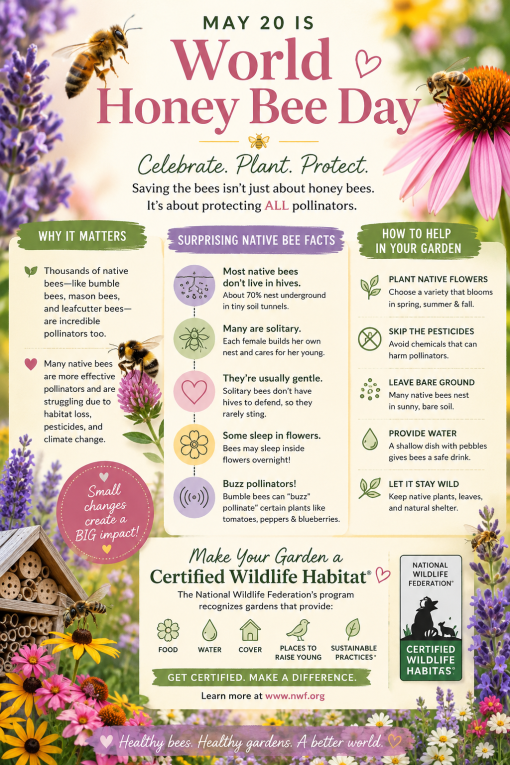
How to Create a Bee-Friendly Garden
The good news? You don’t need acres of land to help pollinators thrive. Even a small patio garden or flower bed can make a huge difference.
Here are simple ways to create a bee-friendly space:
Plant Native Flowers
Native plants provide the nectar and pollen local bees evolved to depend on. Choose flowers that bloom during different seasons to provide food year-round.
Some pollinator favorites include:
- Coneflowers
- Black-eyed Susans
- Bee balm
- Milkweed
- Lavender
- Sunflowers
- Goldenrod
Skip the Pesticides
Many pesticides harm pollinators even when used in small amounts. Consider natural pest control methods whenever possible.
Leave Some Bare Ground
Since many native bees nest underground, leaving a small patch of uncovered soil can provide essential nesting habitat.
Add Water Sources
A shallow dish with pebbles and fresh water gives bees a safe place to drink.
Let Part of Your Yard Stay Wild
A perfectly manicured lawn may look neat, but pollinators thrive in spaces with native grasses, leaves, and natural shelter.
Get Your Garden Recognized as a Certified Wildlife Habitat®
If you’re ready to take your pollinator garden to the next level, you can even have it officially recognized through the National Wildlife Federation Certified Wildlife Habitat® program.
The program encourages homeowners, schools, businesses, and communities to create spaces that support wildlife and pollinators.
To qualify, your garden should provide:
- Food sources
- Water
- Cover
- Places for wildlife to raise young
- Sustainable gardening practices
Once approved, you’ll receive a certificate and can proudly display a Certified Wildlife Habitat® sign in your yard.
You can learn more through the official National Wildlife Federation website.
Small Changes Make a Big Difference
World Honey Bee Day is about more than celebrating honey production. It’s about recognizing the vital role all pollinators play in keeping our ecosystems healthy and our food systems thriving.
By planting pollinator-friendly flowers, reducing pesticide use, and creating wildlife habitats, we can all help support bees — both honey bees and the incredible native species quietly working in our own backyards.
Because saving the bees really means saving the balance of nature itself.