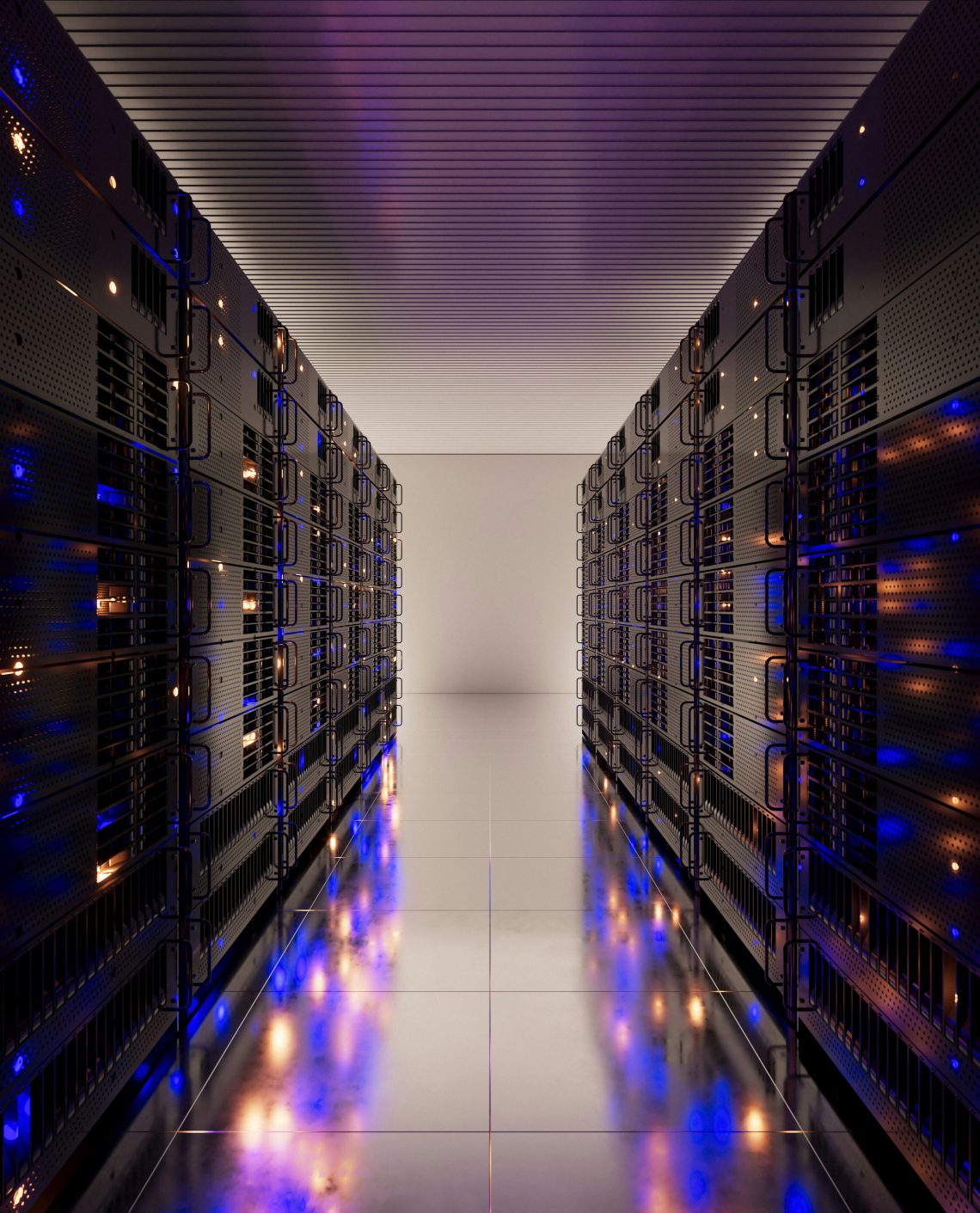
Artificial intelligence may feel like something that lives inside our phones and computers, but behind every AI search, chatbot, and new piece of technology is a massive amount of physical infrastructure.
And some states are much more prepared for that growth than others.
According to an August 2026 study from data infrastructure provider TRG Datacenters, Virginia is currently the state best positioned to benefit from continued AI infrastructure expansion.
That could become increasingly important as investment in infrastructure supporting artificial intelligence is projected to climb into the trillions of dollars by 2030.
But there is another side to this technology boom that deserves attention: How much electricity and water will all of these data centers require, and what will that mean for the communities where they’re built?
Virginia Takes the Top Spot for AI Infrastructure Readiness
Virginia earned a perfect 100 out of 100 on the study’s Readiness Index.
The state currently has seven large AI data center sites with a combined power capacity of 1,085 megawatts (MW).
To put that number into perspective, Virginia’s capacity is greater than the reported capacities of Georgia, New York, and Oregon combined.
Virginia’s existing AI data centers are estimated to consume about 5.7% of the state’s electricity, while producing approximately 2.28 million tonnes of CO2 emissions annually.
Those numbers helped Virginia take the No. 1 position when researchers weighed infrastructure capacity alongside environmental considerations.
The 10 States Most Prepared for AI Infrastructure Growth
The study examined 24 states already developing AI infrastructure. Researchers considered the number of large AI data center sites, total power capacity, electricity consumption, estimated CO2 emissions, and how many facilities were located in areas experiencing high water stress.
Here’s how the top 10 ranked:
| State | Readiness Index | Large AI Data Center Sites | Power Capacity | State Electricity Used | Estimated Annual CO2 Emissions | Data Centers in High Water Stress Areas |
|---|---|---|---|---|---|---|
| Virginia | 100 | 7 | 1,085 MW | 5.7% | 2.28M tonnes | 36.1% |
| Ohio | 88.2 | 5 | 1,410 MW | 6.7% | 4.49M tonnes | 0% |
| Tennessee | 83.7 | 3 | 1,373 MW | 9.9% | 4.31M tonnes | 6.7% |
| Georgia | 81.8 | 2 | 664 MW | 3.3% | 1.95M tonnes | 6.5% |
| Texas | 80.8 | 13 | 1,301 MW | 1.9% | 3.38M tonnes | 58.8% |
| South Carolina | 80.5 | 1 | 142 MW | 1.3% | 294,400 tonnes | 0% |
| Mississippi | 76.7 | 2 | 512 MW | 7.9% | 1.50M tonnes | 0% |
| New York | 76.6 | 1 | 100 MW | 0.5% | 160,000 tonnes | 19% |
| Oregon | 73.4 | 1 | 154 MW | 1.9% | 340,100 tonnes | 17.3% |
| Indiana | 72.4 | 3 | 1,088 MW | 8.1% | 3.47M tonnes | 20% |
Ohio Has the Largest Capacity
Although Virginia ranked first overall, Ohio actually has the greatest AI data center power capacity among the states included in the top 10, reaching 1,410 MW across five large sites.
Ohio also has another interesting advantage: none of the mapped AI data centers included in the study were located in high water stress areas.
That’s an important distinction because data centers can require significant resources for both electricity and cooling.
Ohio’s existing facilities account for an estimated 6.7% of the state’s electricity consumption included in the study.
Tennessee Has Big Capacity With Fewer Sites
Coming in third is Tennessee.
The state has just three large AI data center sites, yet they have a combined capacity of 1,373 MW, putting Tennessee close to Ohio despite having fewer facilities.
However, Tennessee’s AI infrastructure also accounts for an estimated 9.9% of the state’s electricity use, the highest percentage among the top five states.
Only 6.7% of its mapped data centers were reported to be located in high water stress areas.
Georgia Is Growing Without Using as Much Electricity
Georgia ranked fourth with only two large AI data center sites and 664 MW of capacity.
Its relatively low electricity consumption stands out. The state’s AI data centers account for approximately 3.3% of Georgia’s electricity use.
Estimated annual CO2 emissions from those facilities come in at approximately 1.95 million tonnes.
That combination could make Georgia particularly interesting to watch as AI companies look for additional locations to expand.
Everything Really Is Bigger in Texas
It probably won’t surprise anyone that Texas has the most large AI data center sites on the list.
The Lone Star State has 13 large sites, nearly twice Virginia’s seven.
Together, they provide 1,301 MW of capacity.
Even with that enormous data center footprint, the study estimates that AI data centers account for only 1.9% of Texas’ electricity consumption.
But Texas faces another issue.
Approximately 58.8% of its mapped data centers are located in high water stress areas, by far the largest percentage among the top five states.
And that’s where the conversation surrounding AI infrastructure becomes much more complicated.
The Hidden Cost Behind Our AI Tools
It’s easy to talk about AI as if it exists somewhere in the cloud.
The reality is much more physical.
AI requires servers. Servers require data centers. Those facilities require land, electricity, cooling systems, and, in many cases, substantial amounts of water.
That means the race to become an AI powerhouse isn’t simply about which state can build the most data centers.
Communities also have to consider what those facilities could mean for utility demand, environmental resources, infrastructure investment, and potentially even household costs.
An AI development analyst from TRG Datacenters emphasized that communities’ needs should remain part of the discussion as development expands.
The analyst noted that before celebrating a new data center as an economic or technological win, developers and policymakers should consider how much electricity and water the facility will require and whether those resources are already strained.
That’s a conversation worth having.
What Does AI Infrastructure Growth Mean for Your Budget?
You may never step foot inside an AI data center, but the growth of these massive facilities can still matter to your household.
As more data centers are built, states will have to figure out how to accommodate increased demand for electricity, water, land, and other infrastructure.
At the same time, billions—or potentially trillions—of dollars flowing into AI infrastructure could create jobs, encourage additional investment, and generate new economic opportunities in communities that attract these projects.
The key will be finding a balance.
Technological growth shouldn’t come at the expense of families already struggling with utility bills or communities facing limited natural resources.
AI may be one of the biggest technology stories of our time, but from a Champagne Style Bare Budget perspective, there’s another question we should always be asking:
What is all this innovation actually going to cost—and who ultimately ends up paying for it?