Y’all, finding a delicious recipe only to discover it calls for cookware you don’t own can feel like an invitation to go shopping. But before you add a Dutch oven to your cart, take a peek inside your kitchen cabinets.
There are several Dutch oven substitutes that can help you make a comforting meal with equipment you already have. The trick is choosing the right substitute for the recipe and adjusting the cooking method when needed.
At Champagne Style Bare Budget, making the most of what we already own is always worth a try.
What Makes a Dutch Oven Useful?
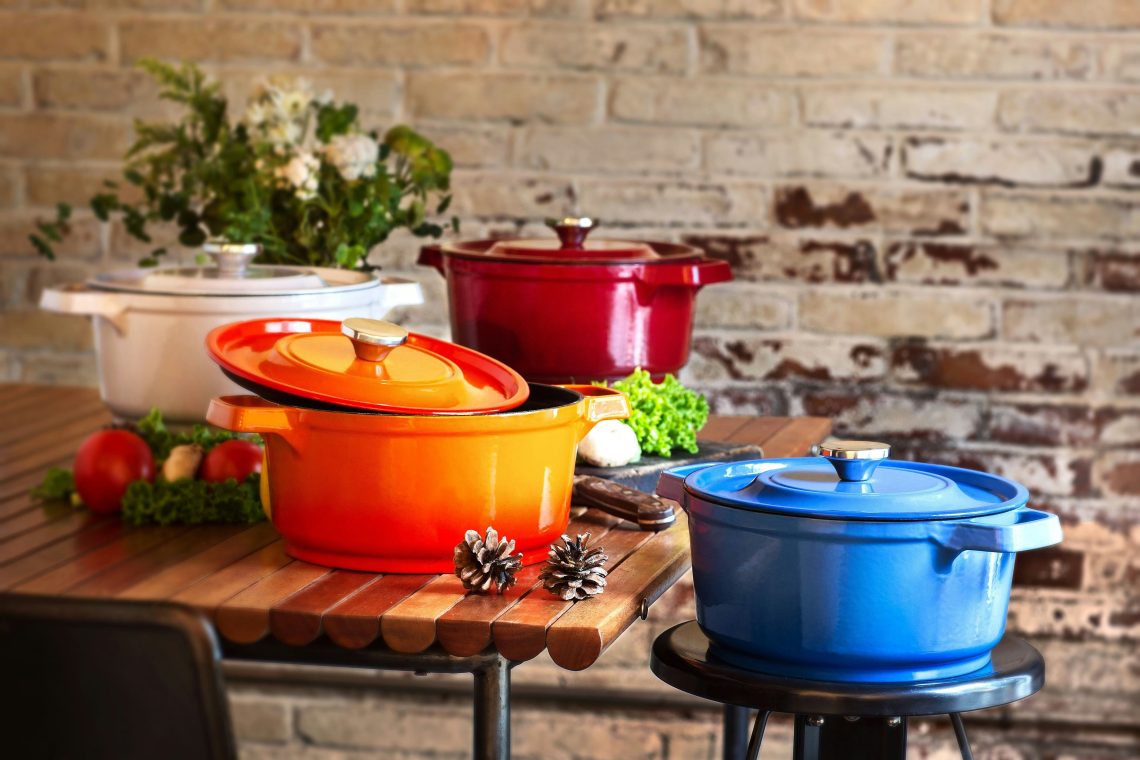
A Dutch oven is a heavy pot with a close-fitting lid. It holds heat well and works especially well for soups, stews, braised meats, and certain bread recipes. Many models can move from the stovetop to the oven.
A substitute may handle one of those jobs beautifully without handling all of them. Consider whether your recipe needs stovetop browning, a long simmer, covered oven cooking, or high-temperature baking.
1. Slow Cooker
Best for: soups, stews, and tender roasts.
A slow cooker is a convenient alternative for meals that benefit from gentle cooking over several hours.
If your recipe starts by browning meat or sautéing onions, do that in a skillet first unless your appliance has a suitable browning function. Then transfer the ingredients to the slow cooker.
Use a slow cooker version of the recipe whenever possible. Cooking times and liquid amounts may need adjustment, and you should not copy the Dutch oven instructions straight across.
Budget tip: A slow cooker you already own can help turn an inexpensive cut of meat into a comforting dinner with leftovers for another meal.
2. Cast Iron Skillet With a Lid
Best for: smaller braises, skillet casseroles, and some bread recipes.
A deep cast iron skillet with a well-fitting lid can handle many dishes you might otherwise cook in a Dutch oven. A shallow skillet has less room, so check that the ingredients fit comfortably.
For oven use, confirm that both the skillet and its lid are rated for the recipe’s temperature. Lid materials and knobs matter: Lodge’s lid guide explains that its glass lids have a lower temperature limit than its cast iron lids.
For bread, use instructions designed for a skillet or another suitable baking vessel. A shallow skillet will not trap steam or support a loaf exactly like a deep Dutch oven.
Budget tip: Put your everyday skillet to work for more than breakfast before buying another piece of cookware.
3. Oven-Safe Pot or Covered Baking Dish
Best for: oven-braised meats and casseroles.
A sturdy oven-safe pot with a lid is often a practical substitute for covered oven cooking. A covered ceramic or glass baking dish may also work when its manufacturer permits the cooking method and temperature.
Check the pot, handles, lid, and lid knob before putting anything in the oven. Oven-safe does not automatically mean stovetop-safe or broiler-safe.
If you use a baking dish, brown ingredients in a separate skillet when needed, then transfer them for the oven stage. Follow the manufacturer’s instructions about preheating and temperature changes, particularly with glass.
Budget tip: That covered casserole dish tucked in the back of the cabinet may have another dinner job waiting for it.
4. Instant Pot
Best for: pressure-cooker versions of soups, stews, and braised meats.
An Instant Pot can help you prepare many of the same kinds of meals as a Dutch oven, but pressure cooking is a different method.
Choose a recipe written for your appliance, or use reliable conversion guidance. Cooking time, liquid quantity, ingredient order, and pressure release all need consideration.
Follow your model’s manual for minimum liquid and maximum fill levels. Instant Pot’s manuals provide model-specific instructions.
Budget tip: If you already own a multicooker, explore its features before making room in your budget for another appliance.
5. Heavy-Bottomed Pot With a Lid
Best for: stovetop soups, chili, stews, and braised meats.
A heavy-bottomed pot is a useful choice when the recipe can cook entirely on the stove. Its thicker base helps distribute heat, while the lid helps hold in moisture.
Keep the heat at a gentle simmer when the recipe calls for one, and check occasionally for sticking or too much liquid loss. A thinner pot may need more attention than a heavy Dutch oven.
If the recipe moves into the oven, confirm that every part of your pot is oven-safe. Otherwise, choose a stovetop adaptation.
Budget tip: A dependable soup pot can earn its cabinet space through plenty of everyday meals.
Which Dutch Oven Substitute Should You Choose?
| What you’re making | A practical alternative | Main adjustment |
|---|---|---|
| A stew that cooks over several hours | Slow cooker | Use suitable timing and liquid amounts |
| A smaller covered braise | Deep cast iron skillet with a lid | Check capacity and oven temperature limits |
| A casserole or oven-braised roast | Oven-safe covered pot or baking dish | Brown separately if the dish cannot go on the stove |
| A quicker pressure-cooked stew | Instant Pot | Follow a pressure-cooker recipe and your model’s manual |
| Stovetop soup or chili | Heavy-bottomed pot with a lid | Monitor simmering and liquid loss |
A Few Tips Before You Swap Cookware
- Check capacity. Leave enough room for the food and liquid without crowding the vessel.
- Check the lid. A close-fitting lid helps retain moisture during covered cooking.
- Match the cooking method. A slow cooker or pressure cooker needs different instructions from an oven.
- Watch the liquid. Different pots and appliances lose moisture at different rates.
- Give bread extra thought. High-temperature Dutch oven bread recipes need a baking vessel suited to that temperature and method.
Cook Something Delicious With What You Have
You do not have to buy every piece of cookware a recipe mentions to enjoy a satisfying homemade meal. Sometimes the best kitchen upgrade is learning another way to use a pot you already own.
Check your cabinets, choose a substitute that suits the dish, and make the necessary adjustments. Those saved dollars can stay in your grocery budget—and dinner can still feel special.