Somehow, summer has flown by and back-to-school season is already here. As parents focus on getting their kids back into a routine, it’s important not to forget another member of the family who also feels the transition—dogs.
The shift from carefree summer days to structured school schedules can be an adjustment for pets, too. Earlier mornings, empty houses for hours at a time, and earlier bedtimes can all disrupt their routines and even lead to stress or separation anxiety. Helping pets ease into the new schedule can make the transition smoother for the entire family.
Below are tips from award-winning veterinarian and founder of Ultimate Pet Nutrition, Dr. Gary Richter on how to get your dog on a back-to-school schedule.
Start adjusting the schedule before school starts. If you can, move wake-up times, walks, meals, and bedtime toward the school-year schedule gradually over several days rather than changing everything overnight. If you don’t have time to do this, remember to be patient with your dog as they are adapting to the changes that are happening around them. They probably won’t get the hang of the new schedule overnight.
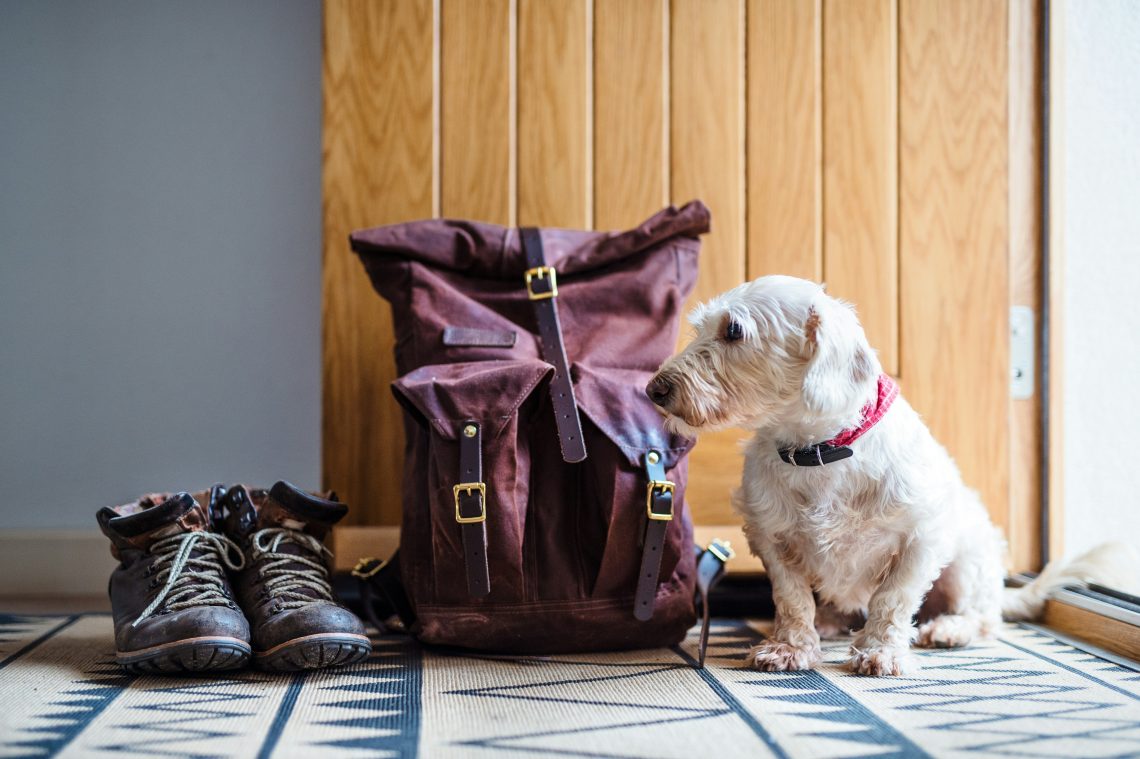
Practice being alone again. If your dog has had people around all summer, begin leaving them alone for gradually increasing periods so the first day of school isn’t suddenly an eight-hour separation. Even practicing this on the weekends is a good idea to get dogs used to not being around humans or having human access 24/7.
Keep the important parts of the day predictable. Dogs thrive on routine, so try to maintain consistent feeding, exercise, bathroom, and bedtime schedules even when the family’s schedule changes. Consistency is key to prevent bathroom accidents and behavioral issues.
Make mornings count. A good walk, play session, or other physical activity before everyone leaves can help your dog settle more comfortably during the quieter part of the day. Try to schedule at least 10-15 minutes in the morning to focus on your pet and provide the attention that they need.
Don’t forget mental exercise. Puzzle feeders, food-dispensing toys, scent games, and safe long-lasting enrichment can give dogs something productive to do after the family leaves. Make sure that your dog has played with these toys before under your watch, so that you aren’t leaving them unattended with choking hazards or other dangers.
Avoid making departures and arrivals a huge event. Calm, matter-of-fact transitions can help prevent dogs from becoming overly focused on people coming and going. You can still give your dog a pet or kiss goodbye, but don’t make a scene or get them riled up before you depart.
Build quality time into the new routine. Your dog may be getting significantly less interaction than they did during summer, so intentionally schedule walks, play, training, or family time after school and in the evening. Make sure each family members get their quality time with the dog.
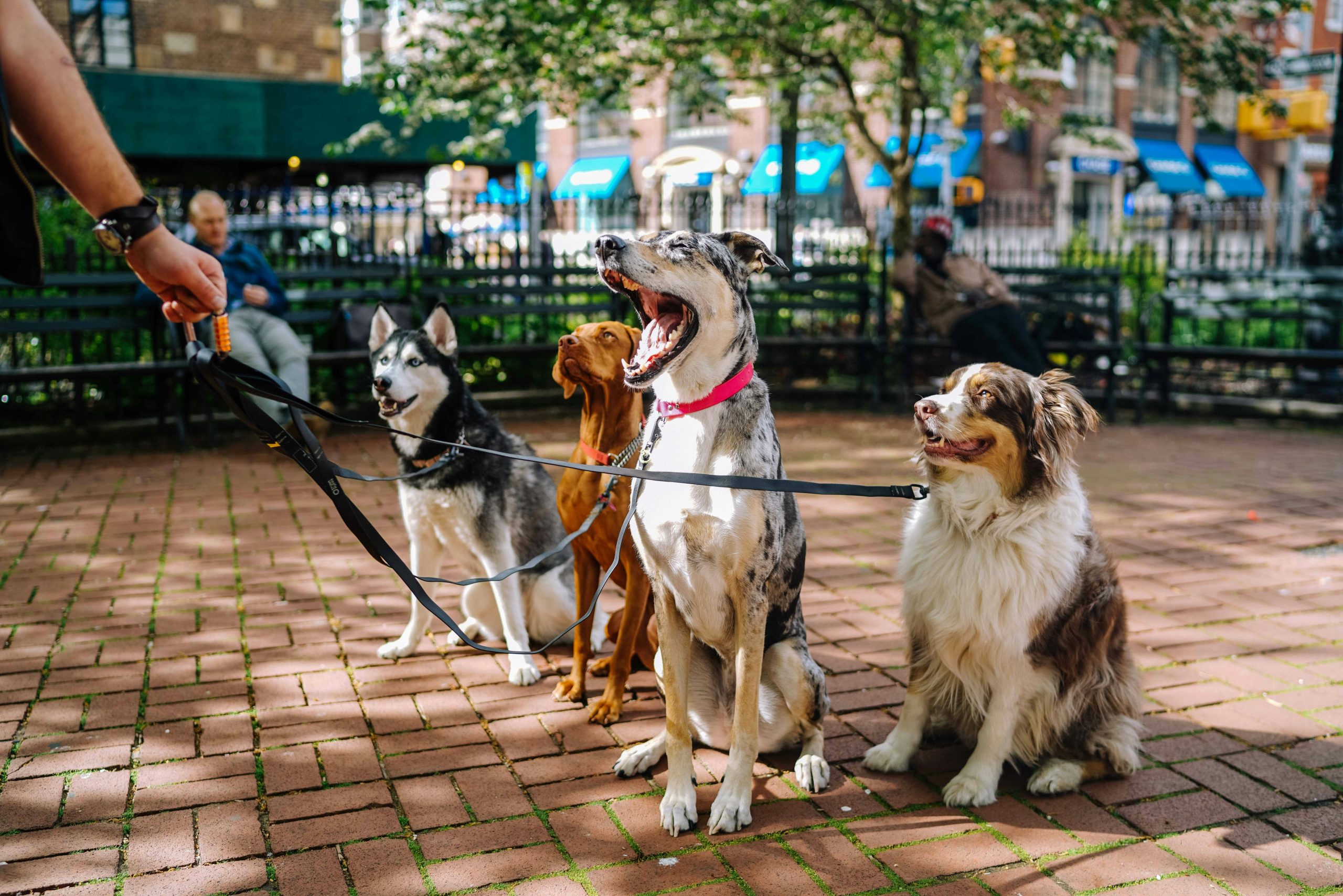
Consider a midday break. For dogs that aren’t comfortable being alone all day, a dog walker, trusted neighbor, pet sitter, or appropriate daycare can break up a long stretch at home.
Watch for signs that your dog isn’t adjusting well. Excessive barking, destructive behavior, house-soiling, pacing, drooling, loss of appetite, or frantic behavior when people leave can indicate anxiety rather than simply boredom. Make sure to consult with your vet on any issues you are seeing arise.
After all is said and done, give your pet some time to adjust. Most dogs can adapt quite well to a new family schedule when the transition is gradual and their needs for exercise, enrichment, social interaction, and predictability continue to be met. Remember, patience and time are key to getting your dog on a back-to-school schedule.