

For years, “wellness” felt like a members-only club. You either had the time to drive across town to a specialty store, the budget to order from a curated online boutique, or the willingness to decode label after label in search of something clean enough to feel good about giving your kids. For most parents juggling school pickups, work deadlines, and the eternal question of what’s for dinner, that bar was simply too high.
That’s finally changing — and it’s changing in the most ordinary places. The wellness aisle is moving into Target, CVS, Walmart, and the grocery store you already shop at on Sundays. Quietly, retailers have decided that the future of children’s health doesn’t live in a boutique. It lives where families already are.
Why this shift matters more than the trend headlines suggest
Accessibility isn’t just a buzzword on a marketing deck. For parents, it’s the difference between a wellness routine that sticks and one that quietly falls off the calendar by week three. When a high-quality kids’ supplement, a clean snack, or a thoughtfully formulated daily vitamin sits on the same shelf as your laundry detergent and your kid’s favorite cereal, the friction to adopting it drops to almost zero.
And that matters, because consistency is the engine behind almost every meaningful wellness outcome in childhood. A premium product you order once and forget about doesn’t help anyone. A solid one your kid takes every morning because it’s just there — that’s where real habits are built.
The retail shift, in plain English
A few things are happening at once:
- Major retailers are curating, not just stocking. Walk through the kids’ wellness section at Target or CVS today and you’ll see brands that, three years ago, were direct-to-consumer only. Buyers are actively seeking out brands with clean formulations, transparent sourcing, and pediatrician input — not just the cheapest options on the shelf.
- Price points are coming down without quality coming down with them. Scale and competition are doing what they tend to do. Parents no longer have to choose between “affordable” and “actually good.”
- Transparency is becoming table stakes. Third-party testing, published certificates of analysis, and GMP-certified manufacturing used to be the language of niche supplement nerds. Now it’s showing up on the back of boxes in mainstream retail. Parents are asking smarter questions, and retailers are demanding smarter answers from brands.
- Formats are catching up to real family life. Gummies, chewables, melts, easy-to-mix powders — formats that actually work for a six-year-old who doesn’t want to swallow a horse pill. The industry finally noticed that kids are not tiny adults.
What this means for parents
The practical takeaway: you no longer need a wellness “lifestyle” to give your kids high-quality nutrition support. You need a regular shopping trip and ten minutes to read a label. The brands worth your attention will tell you:
- What’s in it — not just the active ingredients, but the fillers, sweeteners, and anything synthetic.
- Who formulated it — look for pediatrician or registered dietitian involvement, not just a celebrity face.
- How it’s tested — third-party batch testing is the gold standard. If a brand publishes its COAs, that’s a green flag.
- Whether it fits your kid’s real diet — most kids don’t need every vitamin under the sun. They need the few they’re consistently missing.
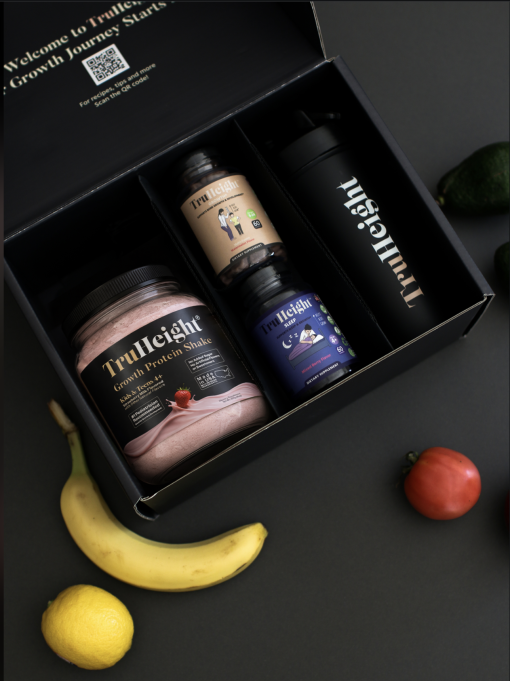
One brand contributing to this shift is TruHeight, which has expanded from direct-to-consumer into national retail with a focus on clean, pediatrician-informed formulations made specifically for kids and teens. It’s part of a larger movement of brands meeting parents where they already shop.
The bigger picture
The future of children’s health isn’t going to be decided by a single product, a single retailer, or a single trend cycle. It’s going to be decided by whether wellness becomes genuinely accessible — affordable, available, and easy to understand — for the average parent doing their best in a busy week.
The good news? That future is already on the shelves. You just have to know what you’re looking for.