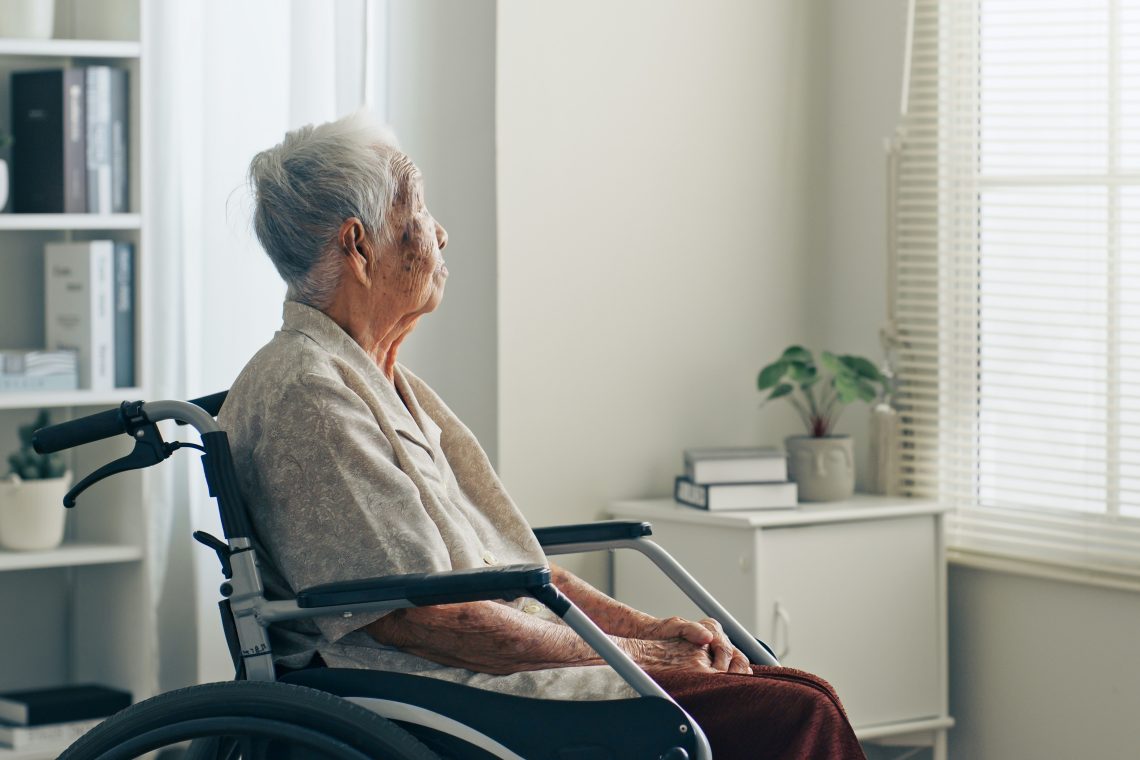
As we age, staying socially connected becomes more important than ever. Yet for millions of older Americans, loneliness is becoming an increasingly serious challenge—one that can affect both mental and physical health.
A recent study from iSharing, a family location-sharing app, examined factors such as social isolation, depression rates, seniors living alone, and state funding for elderly support programs to determine where older adults are most vulnerable to loneliness. The results reveal a concerning trend across several states.
Why Senior Loneliness Matters
Loneliness isn’t simply about spending time alone. Research has linked chronic social isolation to increased risks of depression, cognitive decline, heart disease, and other health concerns. For many seniors, major life changes such as retirement, losing a spouse, or moving away from family can make maintaining social connections more difficult.
The study evaluated all 50 states using four key measurements:
- Risk of social isolation
- Depression rates among adults age 65 and older
- Percentage of seniors living alone
- State spending on elderly support services
Higher scores indicated a greater overall risk of loneliness.
The Top 10 States Where Seniors Face the Highest Risk of Loneliness
1. West Virginia
West Virginia ranked as the loneliest state for seniors. More than 21% of older adults experience depression, the highest rate in the nation. Nearly three in ten seniors live alone, and the state’s social isolation score remains alarmingly high.
2. Louisiana
Louisiana recorded one of the highest social isolation scores in the country. Combined with low community support spending and significant rates of depression among older residents, many seniors face limited opportunities for connection.
3. Tennessee
Tennessee’s senior population faces a particularly difficult situation. While depression rates among older adults are among the nation’s highest, state investment in community support programs is among the lowest.
4. New Mexico
Rural geography can make social engagement more challenging, and New Mexico’s high isolation score reflects that reality. Many older adults live far from family, services, and community resources.
5. Oklahoma
Oklahoma rounds out the top five. Nearly one-third of seniors live alone, and community support funding remains limited, creating additional barriers to staying connected.
Other states appearing in the top ten include:
- Kentucky
- Mississippi
- Ohio
- Oregon
- Rhode Island
The Bright Side: States Doing Better
Not every state faces the same challenges. According to the study, Alaska and Hawaii ranked among the least lonely states for seniors. Stronger community networks and lower isolation risks appear to help older residents stay connected and engaged.
How Families Can Help
While state programs play an important role, family connections remain one of the strongest protections against loneliness. Regular phone calls, visits, shared activities, and simple check-ins can make a meaningful difference.
Technology can also help bridge the gap. Location-sharing tools, video calls, and messaging apps allow families to stay connected with aging parents and grandparents without feeling intrusive. As the study notes, maintaining awareness and communication can provide reassurance while helping seniors preserve their independence.
Final Thoughts
Loneliness among older adults is a growing public health concern that deserves more attention. As families become more geographically spread out and communities evolve, creating opportunities for connection becomes increasingly important.
Whether it’s a weekly coffee date, a phone call, volunteering, joining a local senior center, or simply checking in more often, small efforts can have a big impact. After all, everyone deserves to feel seen, valued, and connected at every stage of life.