Exploring the great outdoors by hiking can be a fantastic way to stay active and experience the wonderful beauty of nature. According to 2021 statistics, approximately 59 million Americans participated in hiking activity in the US. While there are many good reasons to get into hiking, it may involve some risk. Therefore, prioritizing your safety before setting out on any hiking adventure is crucial. Whether seasoned or a beginner, this article highlights nine essential hiking safety tips for a thrilling trekking experience.
- Plan and do your research

Planning ahead of time and understanding what to expect are essential components of hiking! Several resources are available to help you understand the region you’re hiking in, including weather patterns, the ideal times of year and day, and specific routes. Today there are many blogs and national forest websites you can use for planning and researching. Hiking a new route can be frightening, but using resourceful hiking apps and websites can help you feel more prepared. You may search for routes by geography or name, then evaluate distance covered, altitude gain, challenges, and route types.
- Take a buddy
You can never go wrong with bringing a friend for a hike. Having a companion can eliminate the potential of being alone in a dangerous circumstance. In the event of an injury, having a companion who can find aid can be a lifesaver. Share your route and starting location with a companion or family, even if you are a seasoned hiker undertaking a solo trip. This safety measure might save a life if you do not finish the path within the specified timeframe on your schedule.
- Be weather prepared
This hiking safety precaution goes beyond merely checking the weather forecast. Consult with park rangers to understand what weather measures should be taken at the exact time of year and what they recommend if you experience any extreme occurrences. Even minor weather changes, such as light rain, might make the ground slick or susceptible to shifting. Light snow can conceal paths, making staying on or finding your way out difficult. Checking the weather may assist you in deciding what to wear if you’ll need extra/waterproof clothes, and how much water to bring. Apply sunscreen and reapply it in all weather conditions.
- Carry a first-aid kit
Preparing for a trek involves being ready to care for yourself and everybody else in an emergency or difficulty. Emergencies happen, and you can never tell when a first aid kit can come in handy, yet you will most certainly require it. You may create your own first aid kit by visiting the drugstore and buying the supplies individually, or you can buy a fully assembled hiking first aid kit. It can be useful to carry pain relievers like ibuprofen or acetaminophen, gauze, alcohol wipes, insect repellent, sunscreen, non-drowsy allergy drugs, and any meds particular to you and anybody you are traveling with.
- Be extra cautious in the second half
It is common to see most hikers focusing on the first half of their journey. However, it is crucial to be extra cautious in the second part of the journey, as lack of focus, muscle fatigue, and exhaustion will likely happen. In certain situations, the second part of a trek might be more difficult or entail higher terrain, necessitating greater concentration to navigate safely. Awareness of the most common risks may ensure a safer and more pleasurable hiking trip.
- Stay on the trail
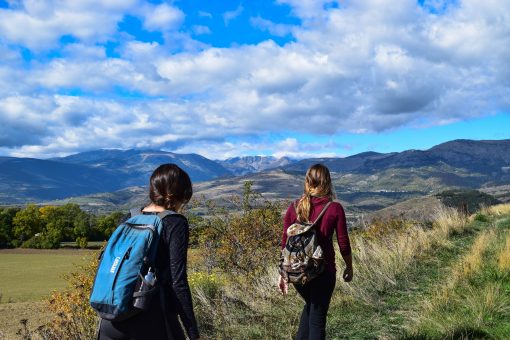
Staying on the trail is vital for your safety. The chances of encountering tough or dangerous obstacles increase when you deviate from the course. Getting lost is also simple, as the lush vegetation, which is often dense, can obscure signs you should have been able to spot quickly. And, if you become lost or incapacitated while hiking, a rescue effort will be far more difficult and risky. Off-trail hiking often leads to “social trails,” or unofficial paths cut into the forest by intrepid hikers. And the social pathways may damage plants, disrupt animals, create erosion, and threaten hikers who follow you because they believe it’s the proper way.
- Pack some essentials
A lot can happen during a hike, and you should pack some supplies to prepare for any obstacles. Aside from the first aid kit, other supplies for navigation, insulation, emergency shelter, nutrition, and hydration may be useful. You may pack these basic and non-exhaustive lists based on the type of hiking and circumstances you are likely to face. For instance, a drone can enhance safety if you explore unstable cliffs or unsafe animal habitats. You can learn more about how this smart technology can transform your hiking experience, and how to use it effectively.
- Be willing to turn back
Even after looking at a map and talking to people all day, you must be ready to decide and turn around when the rubber hits the road. Though hyper-focused on reaching a goal, you’re more likely to make poor decisions and ignore signs that you need a break, push your limits, and keep going despite signs of an impending storm. Stay flexible and accept that you are on the trail to have fun. Consider each roadblock a wonderful chance to enjoy the scenery and turn around. It may still be a fantastic hike even if you fail to get exactly where you expected to go. The thrill is all about being on the path and staying present in the moment.
- Have an emergency plan
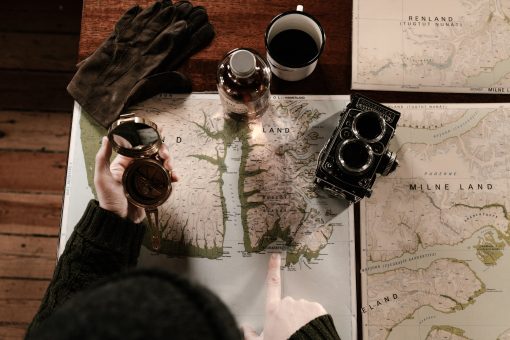
Having a strategy in place is vital in the improbable chance that something might happen. Bring your phone and a portable charger. If a cellular phone is unavailable, you may use items such as a personal locating beacon or a satellite messaging device to send messages. Suppose you are hiking with a group or a companion. In that case, designate somebody to seek assistance if you can’t relay a message.
Remember that treks are supposed to be enjoyed as they are frequently more of a marathon than a race. So remember these hiking safety rules, take your time, appreciate your natural environment, and have fun!